
Imagine You're a Restaurant
Yet another analogy on how to structure a creative shop

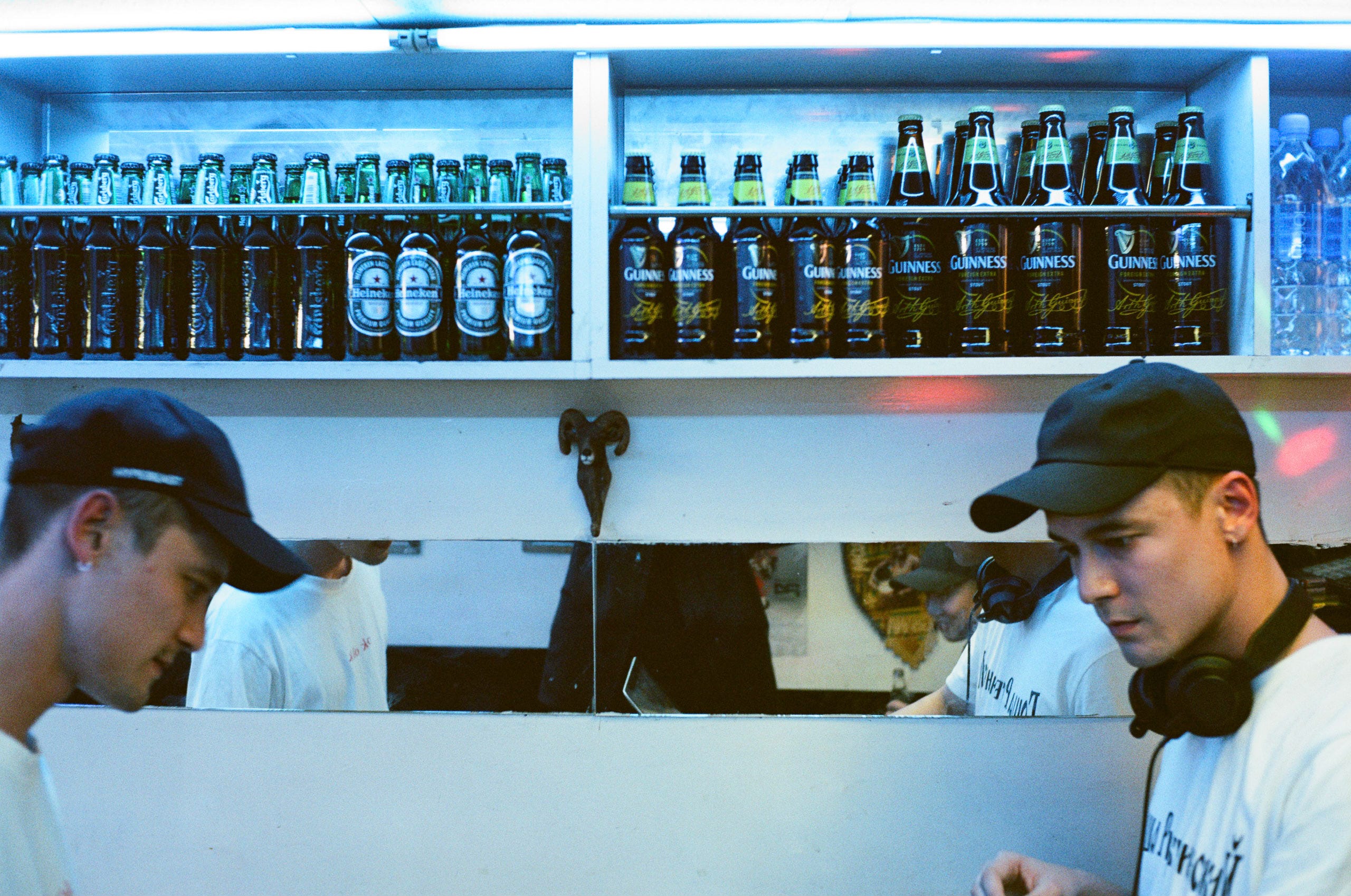
Over the last few months, I’ve been working with Arthur and Tom Bray (yes, twins) from Yeti Out!, a multi-dimensional brand that spans parties, a fashion line, music consultancy, talent booking and more. They’ve thrown some of the best parties around the world for the past decade. But they came to me with a question that plagues many creative entrepreneurs: What’s the next chapter and is it even possible when we feel like we’re stuck in the mud?
The truth is, Yeti had been running as a lifestyle project for years. And there’s nothing inherently wrong with that, until the grind leaves you broken and bruised. The 7am raves where you watch the sunset come up actually are all part of the fun, but it’s the in-between, the shit projects, and the bad clients that make you question everything.
The Scarcity Trap
The brothers described a scarcity mentality that had taken root: any project that came through the door, they’d take. I can attest, there’s no guarantee for tomorrow in creative servicing. Regardless of success, you’re always wondering whether there’s a new opportunity… regardless if you’ve proven to be busy the preceding 40 months. This is incredibly common in creative industries, but it creates a vicious cycle. It’s why I always think that having ample access to oxygen (aka cash money) is so important to making good decisions.
When you don’t properly vet and intake projects, you make yourself susceptible to burnout. There’s a fundamental misalignment between the enjoyment of the work, the financial outcome, and the process itself. That misalignment breeds disdain for what you do. Fixing it is easier than you’d think, but it takes effort to set yourself up.
The Restaurant Analogy
I love using restaurant analogies to explain business structure. Restaurants are the perfect representation of how a business should run.
When we laid everything out on the table, it became clear: Arthur and Tom had all the ingredients at their disposal and in fact were really good chefs in many cases. Decades of experience. Deep rolodexes. The Hong Kong hustle mentality. And a community that has followed them around the world.
They knew how to make a great dish, but the steps each time were different and inconsistent. But without a recipe or process, they were relying entirely on natural skill, talent, and hustle. Something great would come out, but it wasn’t scalable. It wasn’t sustainable.
What they lacked was the framework for the restaurant itself. Branding, clientele, pricing of the food, cost to make the food, front of house, back of house, it can all be cross-connected to a restaurant. They also knew that some of the requirements to run a proper outfit just weren’t in their arsenal. Nobody starts a creative thing to sit at a desk and look at spreadsheets. Yet it’s just as important to have somebody who understands how much a dish costs, as it is to produce a culturally impactful event… that also gets your ass paid.
Building the Framework
So what are the fundamentals?
What are you serving? = What is the offering/product?
Who are you serving it to? = Who is the audience and what do they expect/want?
How much does the dish cost? = What is the client/audience expecting to pay?
What’s the repeatable process? = What is my approach to shipping the same experience each and every time*
*Note it doesn’t mean it becomes a fully productized outcome that you rinse and repeat, but rather you’re picking and choosing which parts become immovable and which parts are actually up for creative thinking. Standardizing legal documents doesn’t need to be modified. The visual identity of a party based on the line-up and genre does need to be interpreted.
These aren’t just business questions. They’re the building blocks of creative sustainability.
The goal isn’t to strip away what makes Yeti special. It’s to create a framework that allows them to do great, repeatable work without burning out in the process.
If you’re running a creative business, whether it’s events, design, writing, or anything else, ask yourself: Do you have all the ingredients but lack the restaurant? Are you making great dishes (albeit inconsistently), cause you lack a recipe?
Sometimes the most visionary creative thing you can do is build the structure that lets your best work come through.
Never complain, never explain.